
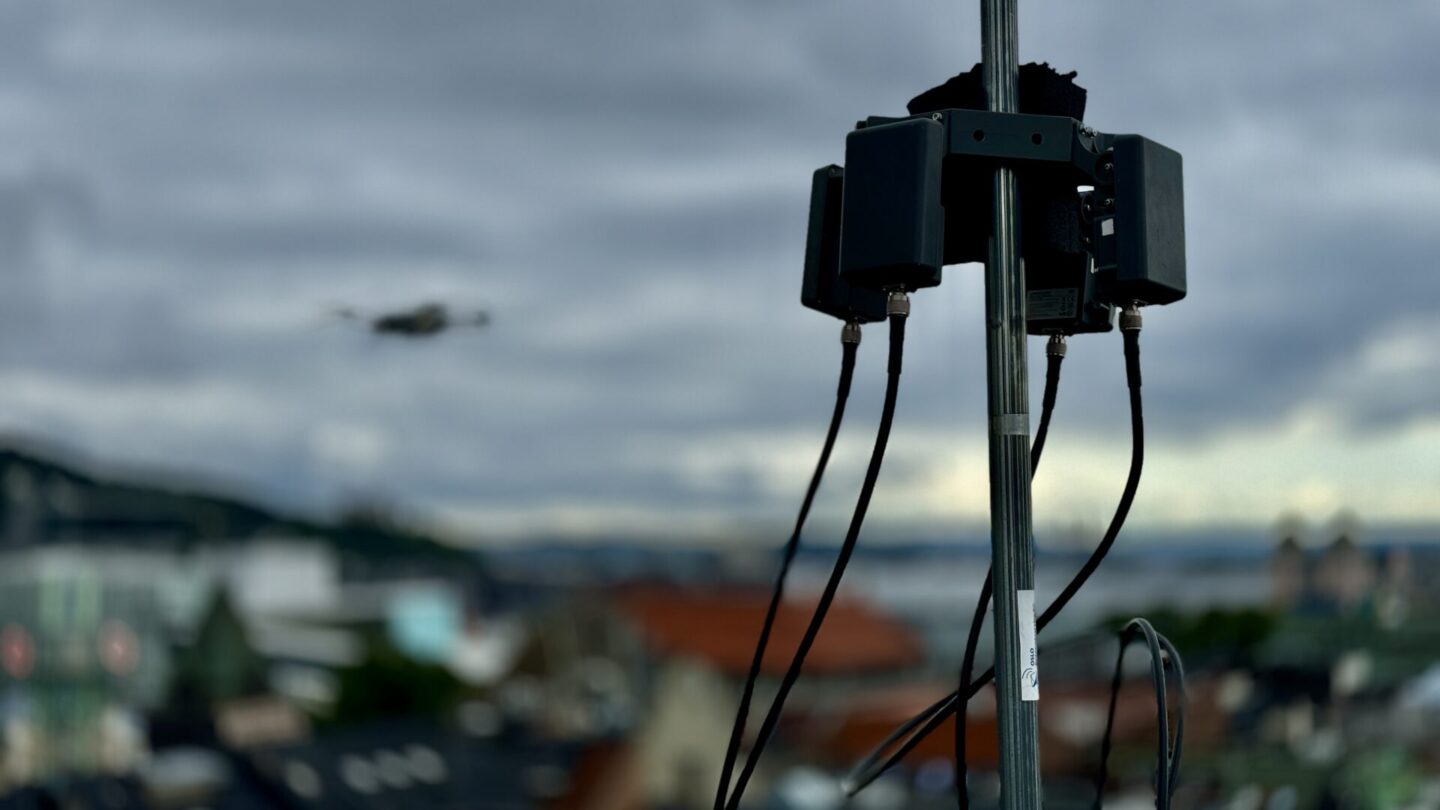
Countermeasures: Who acts, who decides and what actually works?
When an unidentified aircraft appears near an airport, power plant or public event, the instinct is simple: stop it. Reality is far more complex. Counter-drone measures range from passive detection to active neutralisation, but questions of responsibility, legality and safety make “shoot it down” far from an obvious answer.Who is responsible? The jurisdictional tangle
Responsibility for counter-drone action is rarely simple. Air traffic control, airport operators, police, civil aviation authorities, military units and infrastructure owners each have a stake — and different legal powers. In many countries the police lead immediate public-safety responses; the armed forces retain peacetime limits on domestic activity.
That creates a practical problem: in a fast-moving event, who has the legal mandate to act? Without pre-agreed rules of engagement, response is delayed or fragmented. Clear national policies are essential: they must define thresholds for escalation, assign roles, and enable rapid handover when incidents cross civilian–military lines.
What can be used? Tools across the intervention spectrum
Counter-drone options sit on a spectrum from non-kinetic to kinetic:
-
Detection & classification: multi-sensor fusion (radar, RF, EO/IR, acoustics) — essential for situational awareness.
-
Soft mitigation: geofencing, automated alerts, flight-termination commands to compliant drones, and directed RF control / signal-capture systems (where lawful).
-
Hard mitigation: net-capture systems (launched from other drones or projectiles), interceptor drones, and — in extreme cases — kinetic options (firearms, missiles).
Most civil environments rely on detection and soft mitigation. Hard or kinetic measures raise safety, legal and collateral-damage concerns that usually reserve them for military environments and well-controlled ranges.
The core challenges: legality, safety and proportionality
There are three interlocking challenges:
-
Legal authority. Many jurisdictions prohibit jamming or seizure of radio signals by non-authorised actors. Kinetic force against a drone may be classified as use of force — with all the legal consequences.
-
Public safety. A downed drone over a populated area can cause more harm than the drone itself. Fragmented ownership of airspace makes safe interception difficult.
-
Attribution and intent. Without clear identification, it is hard to prove malicious intent. Acting on weak evidence risks law-breaking or wrongful escalation.
These constraints explain why many police and military decision-makers hesitate before adopting lethal options. The chorus of “shoot them down” in public debate contrasts with operational caution on the ground.
Do we have enough experience? Not yet — but we are learning
Operational experience in Europe has grown through exercises and a handful of live events. Lessons point to one truth: technology alone is insufficient. Successful outcomes come from integrated systems, rehearsed procedures, interagency trust, and legal clarity. Countries with joint civilian–military protocols generally respond faster and more coherently than those without them.
What actually works in practice? Layered defence and governance
The most effective approach is layered and governed:
-
Layered detection reduces false positives.
-
Escalation protocols (who decides and when) ensure proportionality.
-
Non-kinetic first reduces risk to bystanders.
-
Interagency training and legal frameworks prepare organisations to act decisively when necessary.
-
Transparent oversight and after-action review keep responses accountable.
Kinetic measures are a last resort and require strict legal triggers, safety assurances and clear public-interest justification.
CUAS Security Summit 2026: where the hard conversations happen
The Summit is intended as the forum where these thorny issues are debated openly: who should have authority, what technologies should be permitted, and how to balance individual rights, public safety and operational effectiveness. Practitioners, lawyers, technologists and policymakers will need to agree on shared frameworks before the next crisis demands action.
Summary
Counter-drone capability is as much about governance as gear. Effective defence requires clear legal mandates, layered technical solutions, interagency trust and constant training. The reflex to “shoot it down” must be tempered by law, safety and strategy — a conversation CUAS Security Summit 2026 is designed to accelerate.
